
Partners for Innovation Newsletter

NEWSLETTER

  March 2010
 World Biofuels Markets

Presentation Partners for Innovation on World Biofuels Markets conference
The main yearly network meeting for the biofuel sector, the World Biofuels Market conference, takes place in Amsterdam this year from 15 until 17 March. On Wednesday 17 March at 14:30 hours Partners for Innovation will present the first conclusions of the project ‘Towards Sustainability Certification of Jatropha biofuels in Mozambique’. Specific topics will be the choice of the most suitable methodology for the sustainability assessment of Jatropha plantations and the execution of the assessment.

More information: Peter Vissers

Den Haag

Energy vision of municipality The Hague is shaping up
The municipality of The Hague has developed an energy vision, in which the following questions are answered: “What does a desirable future energy provision in 2050 of The Hague look like and what could be the role of the municipality do to realize this?”.
Starting points for the energy vision for 2050 is that: “The energy system is sustainable, affordable and reliable”. Emiel Hanekamp supports the municipality with both the process and the contents of the energy vision.

More information: Emiel Hanekamp

Installation

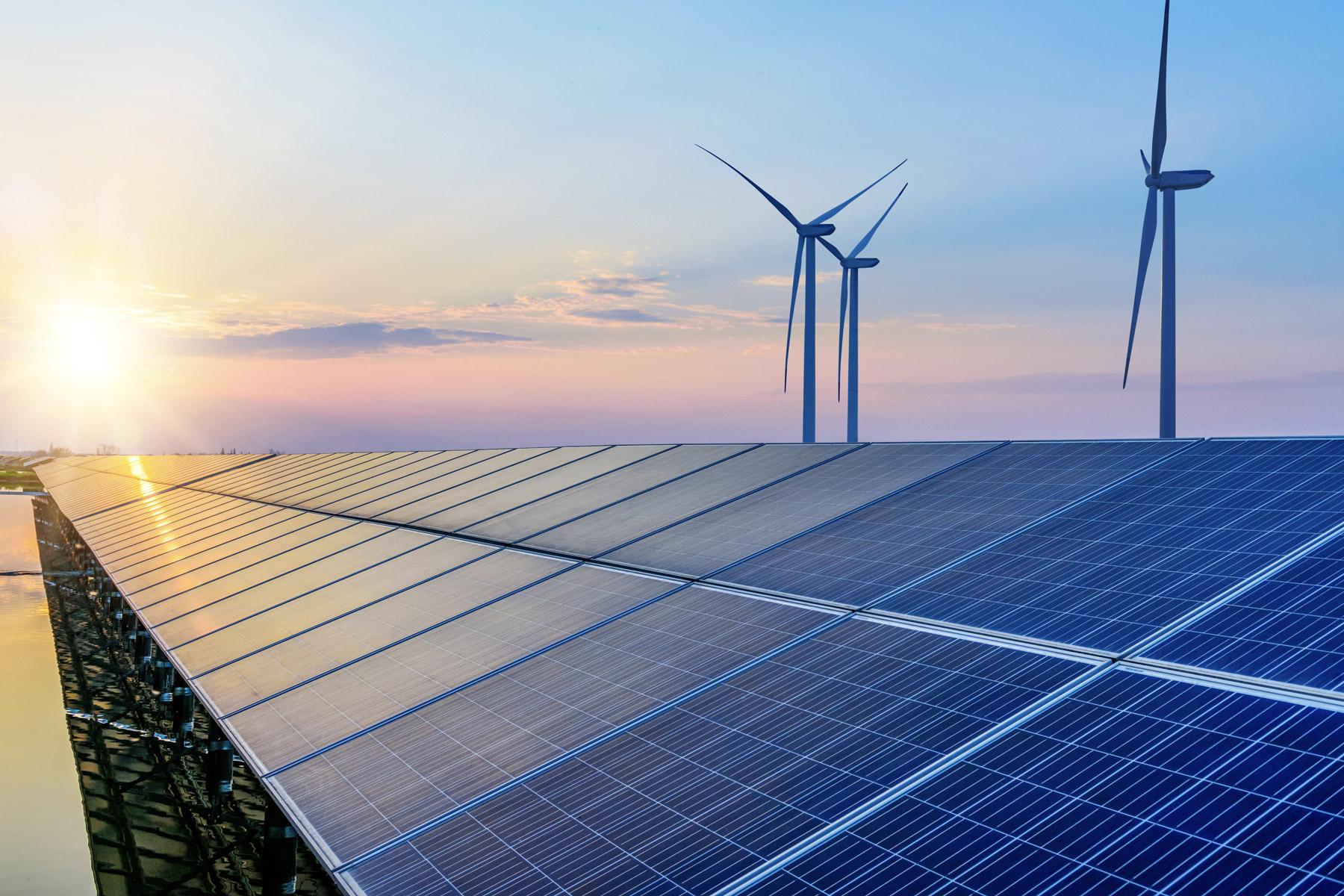
Role and impact of SMEs in EU renewable energy research should improve
Partners for Innovation has recently completed a study for the European Commission, DG Research, on the role of SMEs in European renewable energy research. Two of the conclusions are:
1.    For several energy technologies SMEs have a pioneering role.
2.    For both the companies themselves and for the quality of the research results it is of importance that more SMEs do participate in EU renewable energy research.

More information: Peter Karsch

FREEK!

Sustainable Lighting for offices and businesses in Deventer
Two well attended evening walks conclude the project Sustainable Lighting Deventer – Stores and Catering. In 2010 we started a new project in Deventer aimed at offices and business spaces. Through workshops, light advice and creating exemplary cases, offices and businesses are encouraged to switch to sustainable lighting. The Province Overijssel and Municipality Deventer have provided funding again. Partners for Innovation is project coordinator.

More information: Carolien van Merksteijn

Water bottles

Carbon Footprint of Water Concepts Benelux calculated
Water Concepts Benelux supplies bottles of mineral water with a private label which are especially suitable for promotion of a company, brand or event. Partners for Innovation has calculated the carbon footprint of the different products of the company. This data has been used to make all products climate neutral, starting in 2010. Moreover the carbon footprint gives insight in the possibilities for CO2 reduction.

More information: Siem Haffmans 

Biogas

Sustainable biogas from waste in South Africa
Bio2Watt is a young South-African company that sets up biogas projects in which waste from the agricultural- and cattle sector and other organic waste is used for energy production. Founder Sean Thomas is convinced that creating sustainable biomass chains is a prerequisite for successful business management. Partners for Innovation has assisted Sean Thomas in obtaining a grant from the Dutch Global Sustainable Biomass Fund to reach this goal and will develop and execute a sustainability analysis in the project.

More information: Emiel Hanekamp

Water

Pilot project sought for Water Footprint
The Water Footprint methodology offers organizations the possibility to gain insight in their impact on worldwide global freshwater resources, and based on this determine a strategy for reducing this impact. Partners for Innovation is affiliated with the Water Footprint Network, which has developed this new concept. To refine the methodology we are looking for organizations that want to participate in a pilot project against a reduced daily rate.

More information: Carolien van Merksteijn

Biomass

Editorial – Verifiable sustainable biofuels: utopia or chance?
In the media there is much negative attention on the impact of the production of biofuels, particularly made from energy crops. The discussion primarily focuses on the competition of arable land for food, feed and energy crops for fuel. The current debate lacks two important dimensions:

1. What would the world look like without biofuels, assuming that demand for energy continues to grow and this demand will be met by fossil fuels? This question is not addressed in the current debate. A sound comparison between a world with and without biofuels is not drawn.

2. The distinction between direct and indirect impacts of biofuel production lacks. When crops for biofuels are grown on a limited scale, this will lead to changes in land use, greenhouse gas emissions, water use and employment. These are immediate effects, directly and exclusively related to the biofuel chain. However when the energy crops are grown on a larger scale, this will lead to other, indirect effects on a global level. Examples are degradation of biodiversity and effects on food prices.

The question whether and to what extent biofuels are sustainable is a complex question. The food, feed and fuel discussion shows that there is a need for more clarity. Firstly, an instrument is needed to make the broad concept of ‘sustainability’ measurable. Already several initiatives have emerged that aim to develop sustainability criteria specifically for biofuels. However, the logical next step, the certification of biofuel projects is still in its infancy.

What should the approach to measure the sustainability of a biofuel project look like? The first step is to identify the direct impacts of biofuel production. For this, the entire chain from resource to producer to consumer should be taken into account. The second step should focus on the indirect effects. However, In this step the first difficulties are encountered, because these effects are not yet quantifiable. Therefore they are (so far) excluded from the various sustainability criteria that are currently being developed. This is especially due to the complexity of the relation between for example the cultivation of a certain amount of hectares of energy crops and the effect this has on food prices. Hardly any research has been done on this subject so far.

Biofuels offer many opportunities on environmental and socio-economic improvement for both Western and developing countries. To make further development and acceptance of biofuels possible, it is of crucial importance that the sustainability of this energy type is made measurable. Despite the obstacles related to the measurability of the sustainability of biofuels, I believe that investments in research and development for sustainable biofuels are necessary. The use -  in a responsible manner – of biofuels is crucial for the transition towards a sustainable energy system. A sound method for determining the sustainability of biofuels is essential in achieving this.

Eva Froger
, advisor at Partners for Innovation


The newsletter of Partners for Innovation is sent every three months. You can (un-)subscribe on our website: www.partnersforinnovation.com