
|

|
EACI: Intelligent Energy e-library launched
The Executive Agency for Competitiveness and Innovation (EACI) launched its Intelligent Energy e-library last February. This fully searchable online library brings together 943 tools and guidebooks on energy efficiency, renewable energy applications and sustainable mobility. All tools and guidebooks are available for free, ready to download and use. The majority of the documents is written in English, but a large number is also available in other European languages. Users can add new tools and rate existing ones. Partners for Innovation helped setting up the concept of the e-library and selecting the initial set of tools and guidebooks, within a team of IEEP, AEIDL and Prospect. To experience the Intelligent Energy e-library, visit www.iee-library.eu.
More information: Emiel Hanekamp
|
| |
|

|
Sustainable Packaging
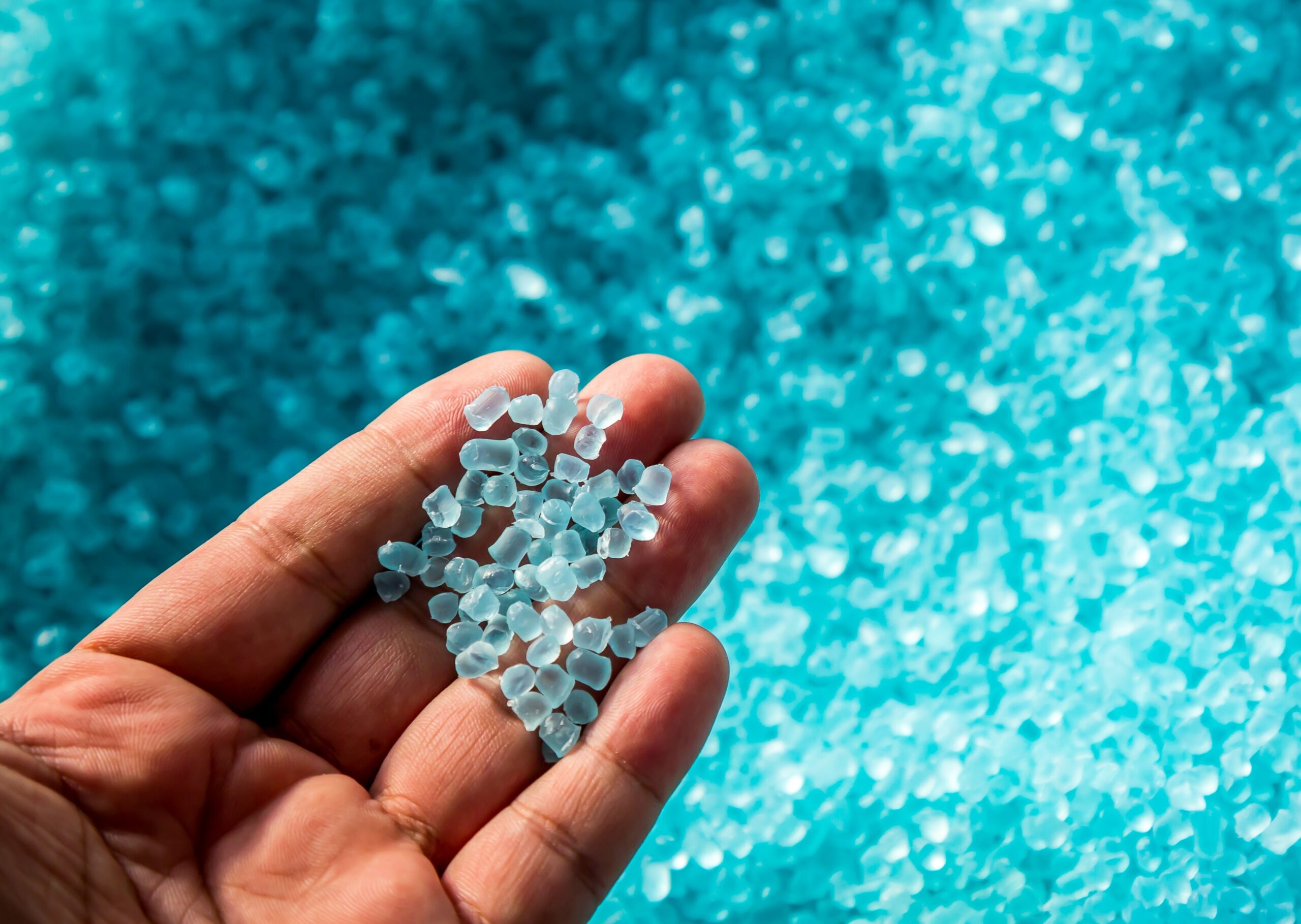
Partners for Innovation advised the company Alpine Hearing Protection on the development of a sustainable (blister) packaging. The environmental impact is 70% less than the current blister, at equal costs. The new packaging is easily opened and provides a better environmental image to the product. The assignment was transferred to Partners for Innovation by Syntens, the Dutch innovation network for SMEs.
More information: Siem Haffmans
|
| |
|

|
Municipality Oud-Zuid: CO2 neutral in 2015
The municipality Oud-Zuid of Amsterdam plans to become a CO2 neutral organisation in 2015. In order to develop a baseline for action, Partners for Innovation established the 2008 CO2 footprint of the organisation. The municipality’s offices and buildings emit the highest amount of CO2 (57%), but about half of this is considered CO2-neutral as it is from green electricity. The municipality’s public surface maintenance equipment, waste collection vehicles, and other equipment account for 34% of the CO2 emissions, while commuting by the municipality’s staff accounts for the remaining 9%. Partners for Innovation is currently developing an action plan that will enable the municipality to become CO2 neutral.
More information: Carolien van Merksteijn
|
| |
|

|
Eco-innovation call open for companies with sustainable ambitions
The second call for Eco-innovation projects has been published and is open until 10 September 2009. Around € 30 million is available. The call is addressed to organisations that have developed an environmentally friendly product, service, or process, which has a proven track record but is not fully marketed yet. Call areas are materials recycling, sustainable buildings, food & drink industrial processes, and green business & smart purchasing. The call is open to all legal persons in the EU with priority for SMEs. Partners for Innovation is working on the development of several applications. Please contact us if you are interested in discussing project ideas that could be eligible for funding under this call. Click here for the application pack on the website of the EACI.
More information: Eva Froger
|
| |
|

|
Peter Vissers fully available again for Partners for Innovation
From July 1, Peter Vissers will become fully available again for Partners for Innovation. Over the last 4 years, Peter worked on a major assignment within the Astrale consortium: as Coordinator LIFE Environment Peter was in charge of the output of a team of some 30 experts assisting the EC with the implementation of the LIFE Environment programme throughout Europe. Although the contract with the EC was renewed for another 4 years, Peter decided to move on to other opportunities and to focus on Partners for Innovation. Peter is particularly interested in sustainability issues of the manufacturing industry and the energy sector, as well as in the transformation towards sustainable mobility concepts. Peter’s speciality is to translate sustainability principles into practical projects and to make them reality.
More information: Peter Vissers
|
| |
|

|
Editorial - Power to the people
Electric vehicles are booming. Rapid innovations in the field of battery technology have significantly reduced drawbacks like long battery charge times and a small radius of action. As a result, the electric car has become a serious competitor for its fossil counterpart. In the Netherlands, a variety of organisations such as the Netherlands Society for Nature and Environment, the grid operators and several municipalities have launched plans in the field of electric vehicles in the past months. Although questions can be raised when looking at these plans (e.g. regarding the level of ambition, practical implementation and sustainable production of the required electricity) and little attention is given to the role of other options such as hydrogen, biofuels and hybrid systems, it can’t be denied that the shift to more sustainable transportation methods is gaining momentum.
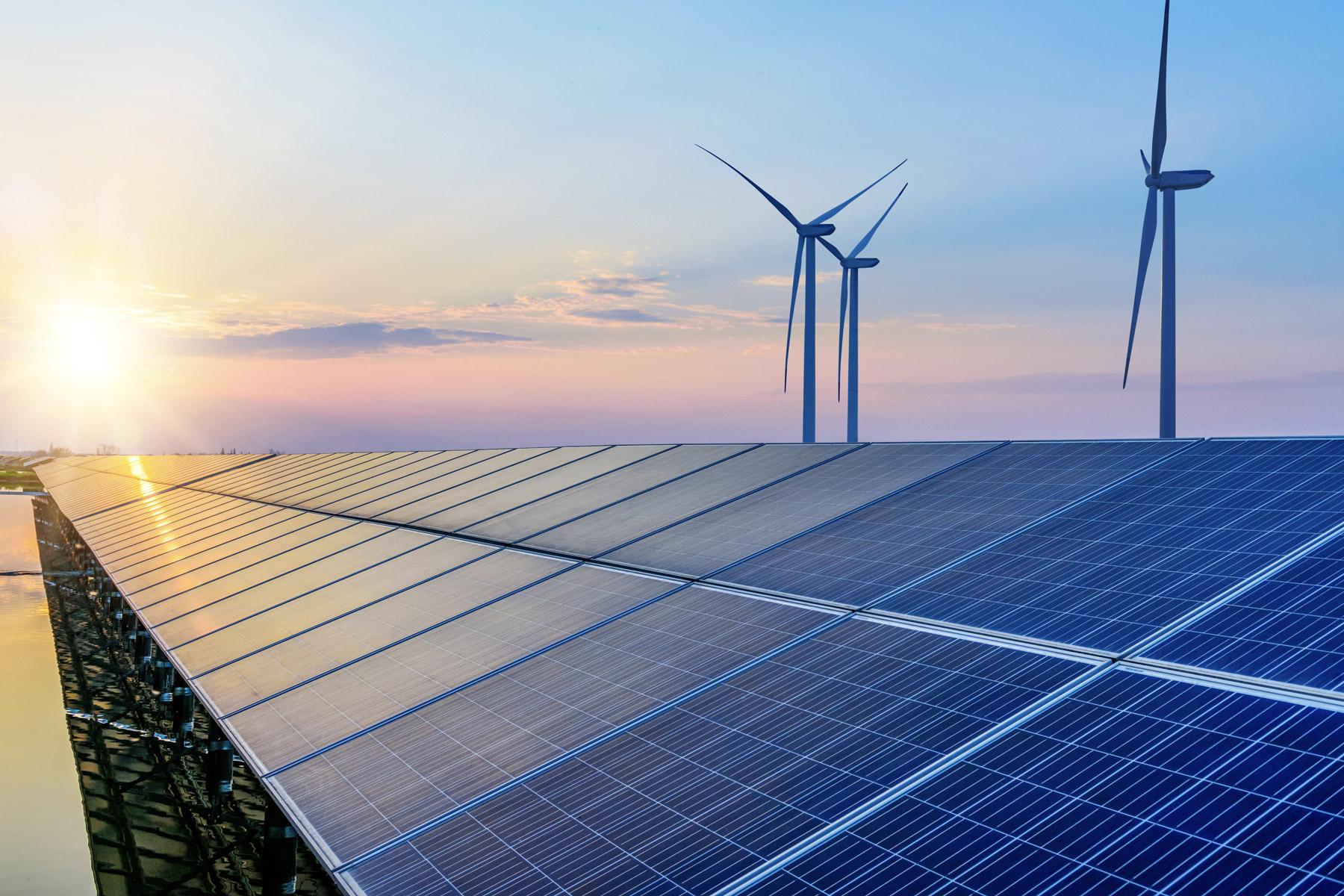
Apart from the direct environmental benefits, the existence of a growing fleet of electric vehicles can be an important enabling factor for the development of renewable energy. For the large scale implementation of solar pv and wind energy, buffer capacity is required that can be provided by such a fleet. The supply of energy is shifting towards a diverse system that utilises a large number of sources, including small-scale privately owned sources such as solar systems, stirling motors and small windmills. The development of smart grids will have to enable coupling the demand for energy to these sources in an efficient manner. The vision that is described by Jeremy Rifkin as the ‘3rd industrial revolution’, the development of a smart network of (small-scale) renewable energy sources, partially stored in the form of hydrogen, that will replace the large scale use of fossil fuels appears to be drawing near.
Not in the last place, Rifkin sees possibilities for developing countries to build up an energy supply that is stable and offers opportunities for sustainable economic development. Making people independent from the unreliable supply from a fossil powered electricity grid (if available in the first place), and provide them with the means to produce their own energy (‘power to the people’) is an important element of this development. That this philosophy can have a tremendous potential is shown by the company Suzlon, that finds its origin in a textile company that wanted to secure its energy supply by placing wind turbines and became the largest wind turbine producer of Asia. The ‘RTD4EDC’ project’ that was coordinated by Partners for Innovation also shows that connecting to local initiatives and needs, and ensuring local ownership are important factors for the success of renewable energy projects.
Currently, Partners for Innovation is working on the development of several renewable energy projects that are built upon this idea. You are invited to think with us in developing these projects.
Peter Karsch, director and co-founder Partners for Innovation.
|
|